In manufacturing environments that require a minimal amount of particles, clean rooms are essential. Understanding clean room classifications helps facilities maintain proper hygiene protocols and compliance standards.
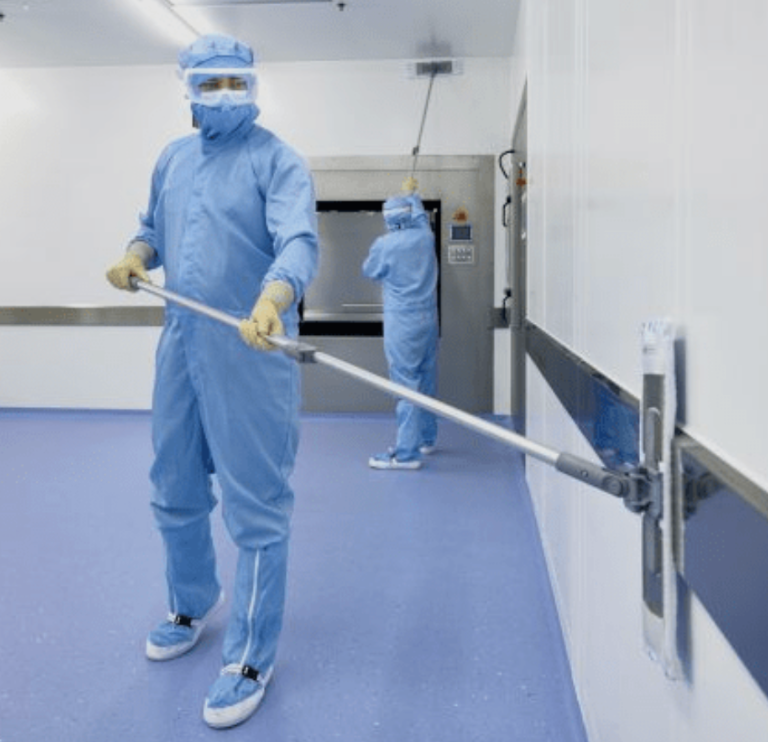
A clean room is a controlled environment where airborne particles, contaminants, and pollutants are minimized to specific levels. These specialized spaces are critical in industries like pharmaceuticals, biotechnology, semiconductor manufacturing, and medical device production.
ISO 14644-1 Quick Facts
ISO Clean Room Classifications
The International Organization for Standardization (ISO) defines clean room standards through ISO 14644-1. Clean rooms are classified based on the number and size of particles permitted per volume of air.
Particles per cubic meter: 10
The cleanest classification. Used in semiconductor manufacturing and nanotechnology.
Particles per cubic meter: 1,000
Common in advanced pharmaceutical manufacturing and medical device production.
Particles per cubic meter: 100,000
Frequently used in pharmaceutical compounding, sterile medical device manufacturing, and biotechnology.
Particles per cubic meter: 352,000
Used in general pharmaceutical production, cosmetics manufacturing, and less critical device assembly.
Particles per cubic meter: 3,520,000
Common in packaging areas, less critical pharmaceutical processes, and food production.
Critical Contamination Sources
Even in controlled environments, contamination can enter through various sources:
Personnel
The largest contamination source, generating particles from skin, hair, and clothing
Footwear
Shoes carry particles from outside environments
Equipment
Machinery and tools can generate or carry particles
Materials
Raw materials and packaging may introduce contaminants
Air Systems
Improperly maintained HVAC systems
The Role of Shoe Covers in Clean Rooms
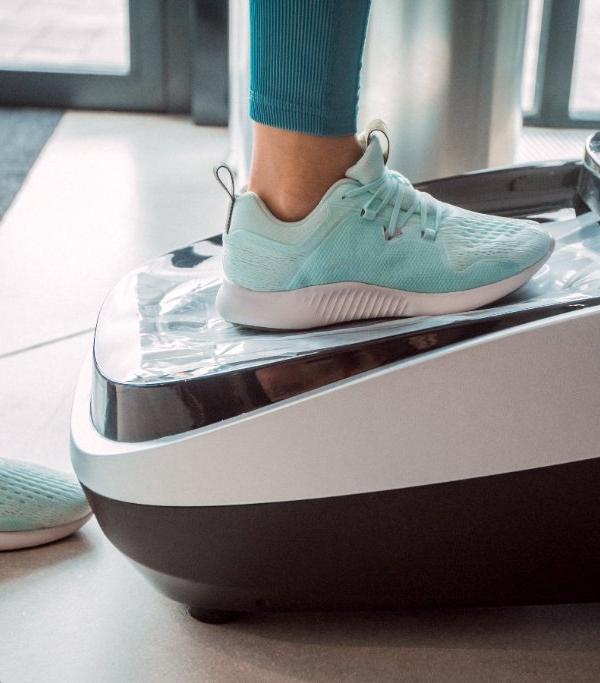
Footwear is a major contamination vector in clean room environments. Shoes carry dirt, bacteria, and particles from external areas. Proper shoe covering is not optional—it's essential for maintaining clean room integrity.
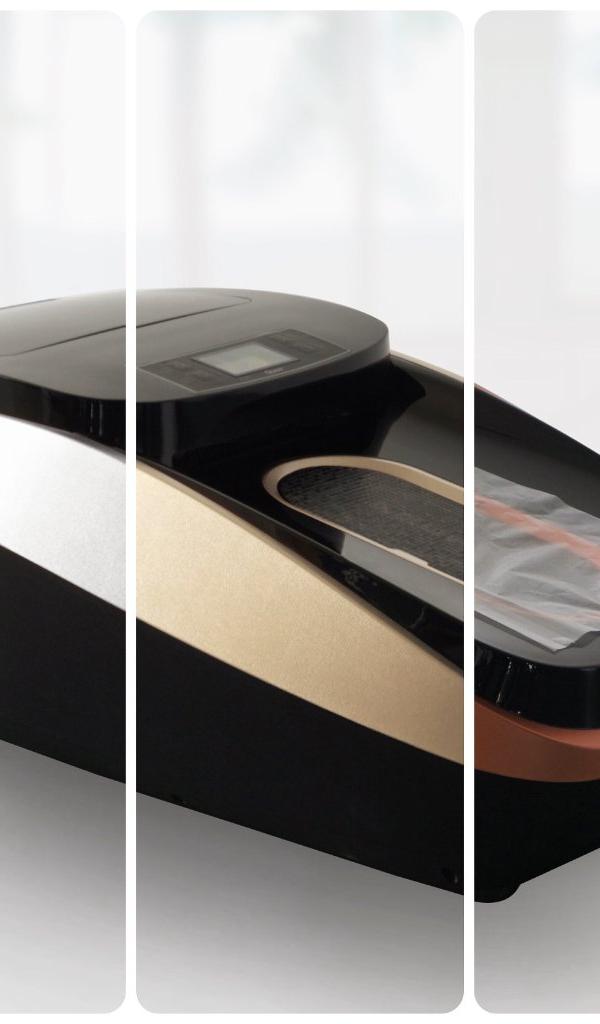
Why Automatic Shoe Covers Excel in Clean Rooms
- Zero hand contact - Eliminates contamination from manual application
- Consistent coverage - Every application meets the same standard
- Sealed protection - Thermal film creates a tight seal around footwear
- Quick application - 3 seconds per foot maintains workflow efficiency
- Reduced particle generation - No fumbling with manual booties