
It's easy to ignore what we don't see. Clean shoes look harmless enough—but appearances are deceiving. Research reveals the shocking reality of what's hitchhiking on footwear into our homes, businesses, and facilities every single day.
University of Arizona Study Findings
Where Does It Come From?
The Invisible Threat
A University of Arizona study examined the soles of shoes and found disturbing results:
- 421,000 bacteria units on average per shoe
- 96% contamination rate with fecal bacteria
- E. coli present on significant percentage of shoes tested
- C. difficile spores found on many samples
But bacteria is just the beginning. Shoes also carry:
Chemical Contaminants
- •Pesticides from lawns and landscaping
- •Motor oil and gasoline from parking lots
- •Industrial chemicals from sidewalks and streets
- •Road salt and de-icing compounds
- •Coal tar sealants from asphalt
Particulate Matter
- •Dirt and soil particles
- •Pollen and allergens
- •Mold spores
- •Heavy metals from urban environments
- •Microplastics
Where Does It Come From?
Public Restrooms
The most obvious source. Restroom floors harbor everything from E. coli to C. difficile. Every step through a public facility picks up microorganisms that then transfer to your car, home, and workplace.
Sidewalks and Streets
Urban environments expose shoes to motor oil, gasoline drips, bird droppings, and remnants of food waste. Every crosswalk and sidewalk adds layers of contamination.
Parking Lots
Vehicles leak fluids—brake fluid, coolant, transmission fluid, and more. These chemicals concentrate in parking areas where shoes absorb them and carry them indoors.
Lawns and Gardens
Pesticides, herbicides, and fertilizers applied to outdoor spaces stick to shoe soles. Studies show these chemicals are tracked indoors at concentrations higher than outdoor levels.
Health Impacts:
Tracked-in contaminants don't just stay on floors—they become airborne and settle on surfaces throughout facilities:
- •Increased respiratory issues from particulates and allergens
- •Higher infection rates in medical facilities
- •Compromised clean room integrity
- •Chemical exposure risks for children and pets
- •Reduced air quality from resuspended particles
Industry-Specific Concerns
Healthcare Facilities
Hospital-acquired infections cost healthcare systems billions annually. Footwear contamination contributes to pathogen spread. C. difficile spores, in particular, resist standard cleaning and can survive on surfaces for months.
Food Production
FDA regulations require strict hygiene protocols. Tracked-in bacteria can contaminate products, trigger recalls, and damage brand reputation. One contamination incident can cost millions.
Clean Rooms
Particulate contamination from footwear can compromise entire production runs in semiconductor, pharmaceutical, and biotechnology manufacturing. A single particle can render products useless.
Child Care Facilities
Children play on floors where tracked-in contaminants accumulate. Young immune systems are particularly vulnerable to bacteria and chemicals brought in on shoes.
The Solution: Automatic Shoe Covers
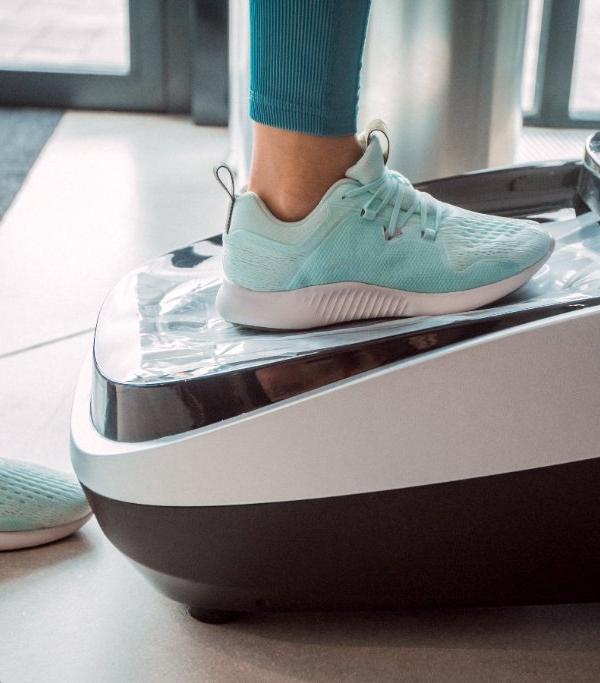
Understanding the problem makes the solution clear. Automatic shoe covers provide a physical barrier between contaminated footwear and clean indoor spaces.
Complete Protection
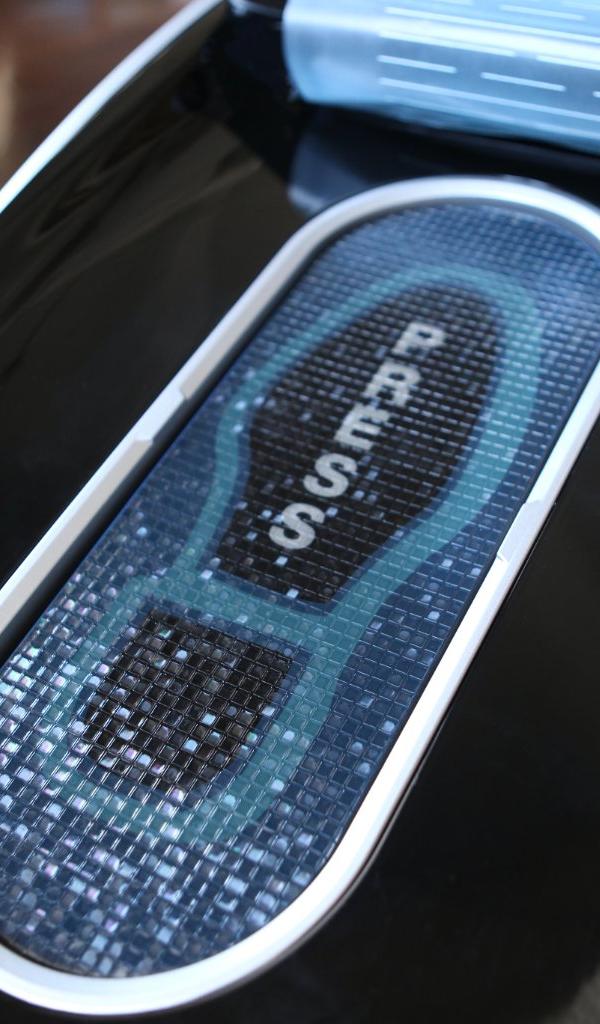
The thermal film creates a sealed barrier, preventing transfer of bacteria, chemicals, and particles from shoes to floors.
Consistent Application
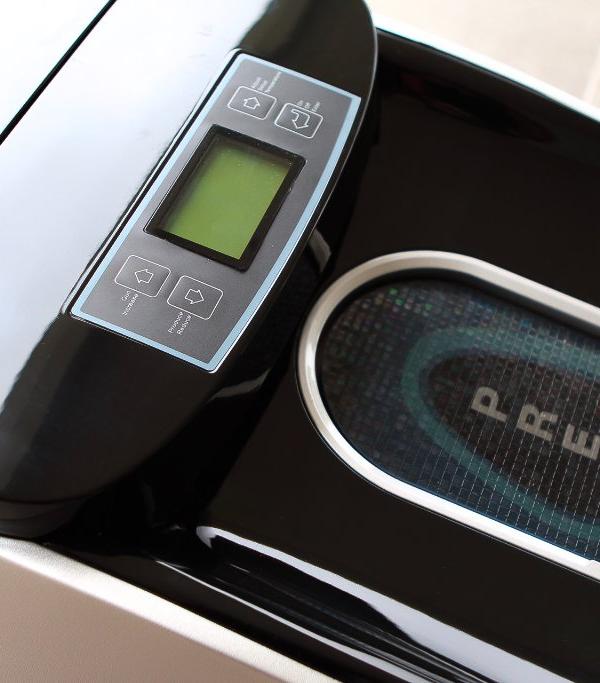
Unlike manual methods where coverage varies, automatic systems ensure complete, uniform coverage every time.
No Hand Contact
Manual booties require touching contaminated shoes. Automatic application eliminates this contact point.
Research-Backed Benefits:
- •90% reduction in tracked-in bacteria (independent study)
- •Significant decrease in floor contamination levels
- •Lower cleaning chemical requirements
- •Reduced pathogen transmission rates
- •Measurable improvement in indoor air quality
Conclusion: See the Invisible
Now that you know what's really on those shoes, the question becomes: what will you do about it? Automatic shoe cover technology makes protection effortless, affordable, and reliable.
The next time someone walks into your facility with "clean" shoes, remember—you're not seeing the 421,000 bacteria, the pesticides, the motor oil, or the countless other contaminants hitching a ride. But they're there, spreading across your floors and into your air.